AI can help CPAs organize research and surface questions. The professional remains responsible for the advice, ethical obligations and protection of client information.
Give AI a defined assignment
Use a tool to summarize materials approved for that purpose, draft a list of issues or organize a review packet. Tell the team what the tool is allowed to do, which client data it can receive and which tasks require human review. A fluent answer is a starting point, not a signed tax position.
The IRS Office of Professional Responsibility’s 2026 guidance applies existing Circular 230 duties to AI use, including competence, diligence, oversight and verification of written advice. [1]
Change the staff workflow, not the standard of care
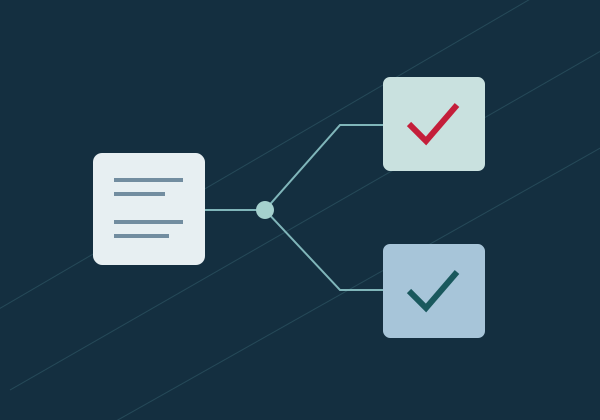
- Staff define the question, gather permitted records and record the source of each material fact.
- The tool helps organize candidates, research leads or draft explanations within the firm’s approved workflow.
- A reviewer opens the authority, checks the applicable year and client facts, recomputes consequential figures and considers exceptions.
- The CPA documents the decision, explains it to the client and approves any professional work that follows.
Make disagreement and uncertainty visible
A good handoff lets a reviewer challenge the source, reject an assumption and ask for evidence. It also gives junior staff a clear way to escalate an unfamiliar issue. Preserve unresolved questions rather than filling missing facts with plausible guesses.
Firms should set review thresholds, train staff on tool limitations and periodically check actual outputs. The standard is whether the work can be supported, not whether the software produced a confident answer.
Ethics: keep responsibility with the professional
AI does not assume the CPA’s duties of competence, diligence and integrity. Confirm the firm can evaluate the tool’s limitations, supervise its use and verify advice against applicable authority and client facts. Record the reviewer’s reasoning and escalate questions the team cannot resolve. [1] [2]
Client confidentiality is also an ethical and legal responsibility. Tax return information is subject to restrictions on use and disclosure; whether a particular use or disclosure is permitted, or requires consent, depends on the applicable rules and circumstances. Check the firm’s professional obligations and engagement terms before sharing information with a provider. [3]
Security: know what reaches the AI provider
Pasting a return, ledger or identifiable client details into a general-purpose AI tool can disclose information beyond the firm’s intended audience. Before use, map what leaves the firm, approve the provider, examine retention, training and access terms, and send only information authorized for the task. Review masking carefully: removing a name alone may not prevent re-identification.
Give staff approved tools and clear escalation procedures, restrict access, use multifactor authentication and include AI-related data handling in the firm’s written information security plan. The IRS provides guidance for tax professionals on protecting taxpayer information. [4]
OptiBooks requires client information to be appropriately masked before it reaches an external AI provider. Ask to review the applicable data flow, access, retention and provider terms before onboarding. Explore client data and professional control.
Put the process to work
Explore the firm workflow for assigning evidence, review and client decisions across an engagement.
Sources & further reading
Check the cited sources and applicable versions for the tax year and issue under review.